
Howdy,
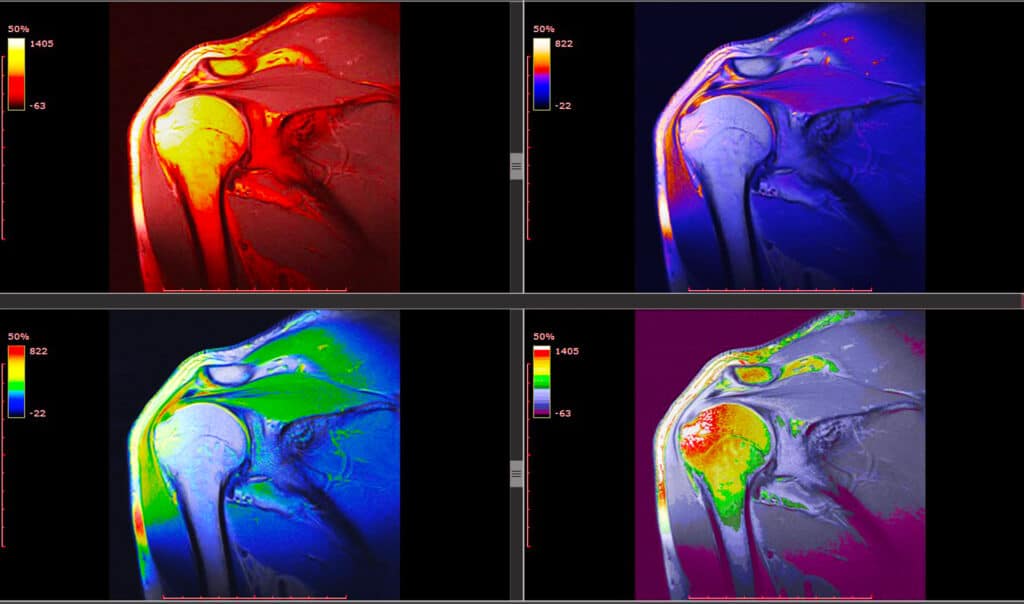
When it comes to swimming, or most other overhead sports, soft tissue changes in the shoulder often go hand in hand with high training volumes!
For example, if you are a professional swimmer, particularly one with more than 10 years of training, there will almost always be some form of “pathology” that shows up on a scan. The challenge is determining whether we can attribute the pain to these findings and whether they need to be treated specifically.
Repeated cycles of loading any living tissue will induce a fairly predictable response in that tissue. Often, this does not need to be medicalised. However, pain itself may signal that the body is not coping with the internal or external loading environment.
These findings may reflect the shoulder’s response to chronic, high-volume loading (~1.5 million strokes per year, when it comes to pro swimming volumes).
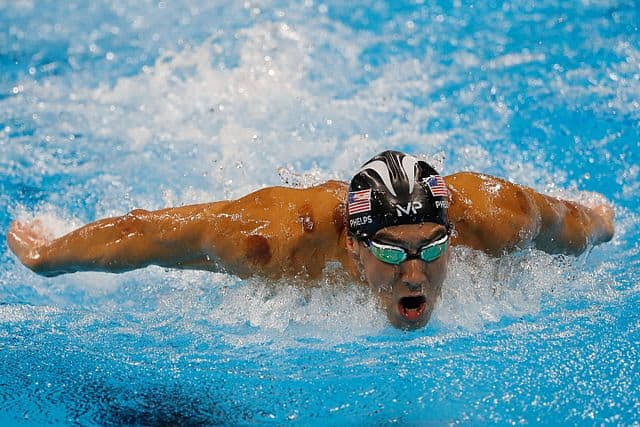
MRI abnormalities does not predict pain. The findings in most studies are equally prevalent in symptomatic and asymptomatic swimmers.
According to a high-quality study (PMID 35906124), subscapularis tendinopathy was more frequently graded as severe (grade 3) than supraspinatus tendinopathy. Yet, the athletes remained fully functional!
AC joint osteophytes were also common.
Many studies have found that this is also the case in the general population, particularly among people over 50, but for a different reason — usually age-related tissue degeneration (tendon, muscle, cartilage, bone…). In that case, just stay active and try to engage in different activities, including lighter ones, that you enjoy. Ideally, adding 1–3 strength training sessions per week would be great!
Yours in progression,
Luka