Howdy,
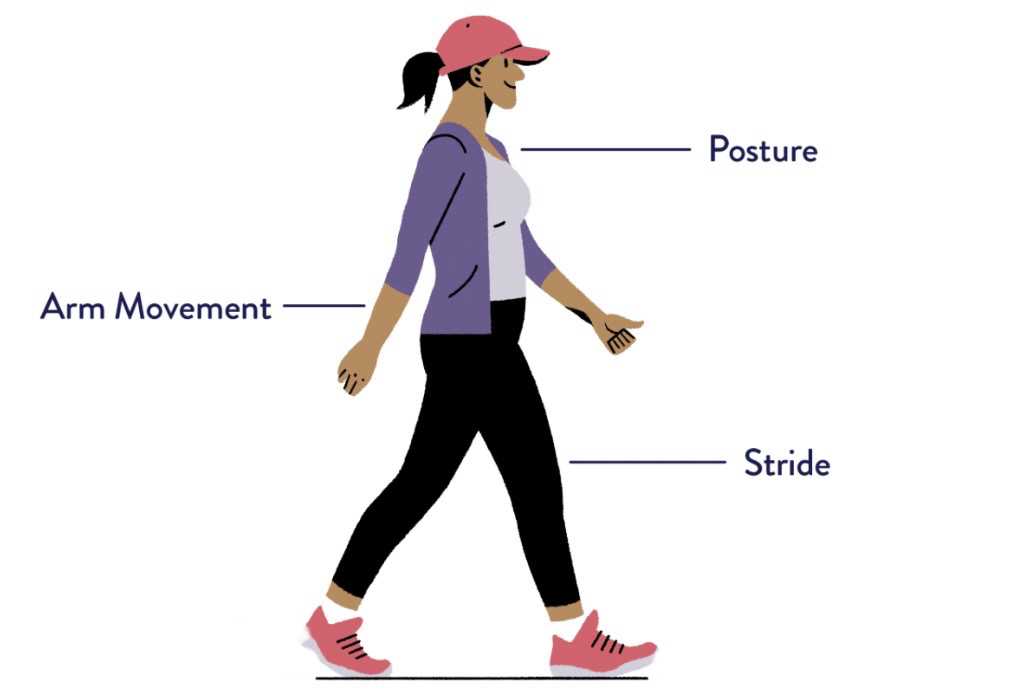
Rotator cuff muscles are essentially postural muscles that work constantly, even when walking, not to mention moving arms more…
Their main function is to stabilize the shoulder head (ball) in the socket, which is essential in everyday life, and particularly sports activities. Otherwise, we would experience shoulder subluxations and dislocations many times throughout the day (depending on activity). This is because the big shoulder muscles perform big movements, and we need smaller muscles (the rotator cuff) to keep the ball in the socket while big muscles doing their job (throwing, punching…). Some studies are showing a very similar counteractive forces, which means they need to be very strong!
The example below shows a seal balancing a ball (seal representing scapula, and ball representing humeral head). This is what’s happening during all the upper body movements, no matter the movement – rotator cuff need to keep ball in the socket!
Rotator cuff activation varies depending on the activity, increasing as speed and/or upper limbs strength demands increase. Basically, whatever activity we do, rotator cuff need to be on all the time – as any activity means potential dislocation of the humeral head (depending on the intensity of the movement).
Let’s mention one good practical tip when it comes to rehab: Don’t do sets to failure when doing isolated cuff work because of the fact that cuff muscles are postural muscles that work all day long, every day (and making them very tired isn’t a smart option). You can do the isolated work in the beginning of the rehab session (if that’s the main goal), or at the end of session if isn’t (because it’s a small muscle group that needs a bit less time to recover – postural muscles though…, and we need them throughout the session anyways – so making them tired in the beginning is less smart).
Yours in progression,
Luka